
News
Shandong GTECH Chemicals – Jinan-based water treatment supplier. Full-range products, stable quality, customized services. Trusted globally. Partners welcome.
Corrosion Inhibitors Cost Shifts to Watch in 2026
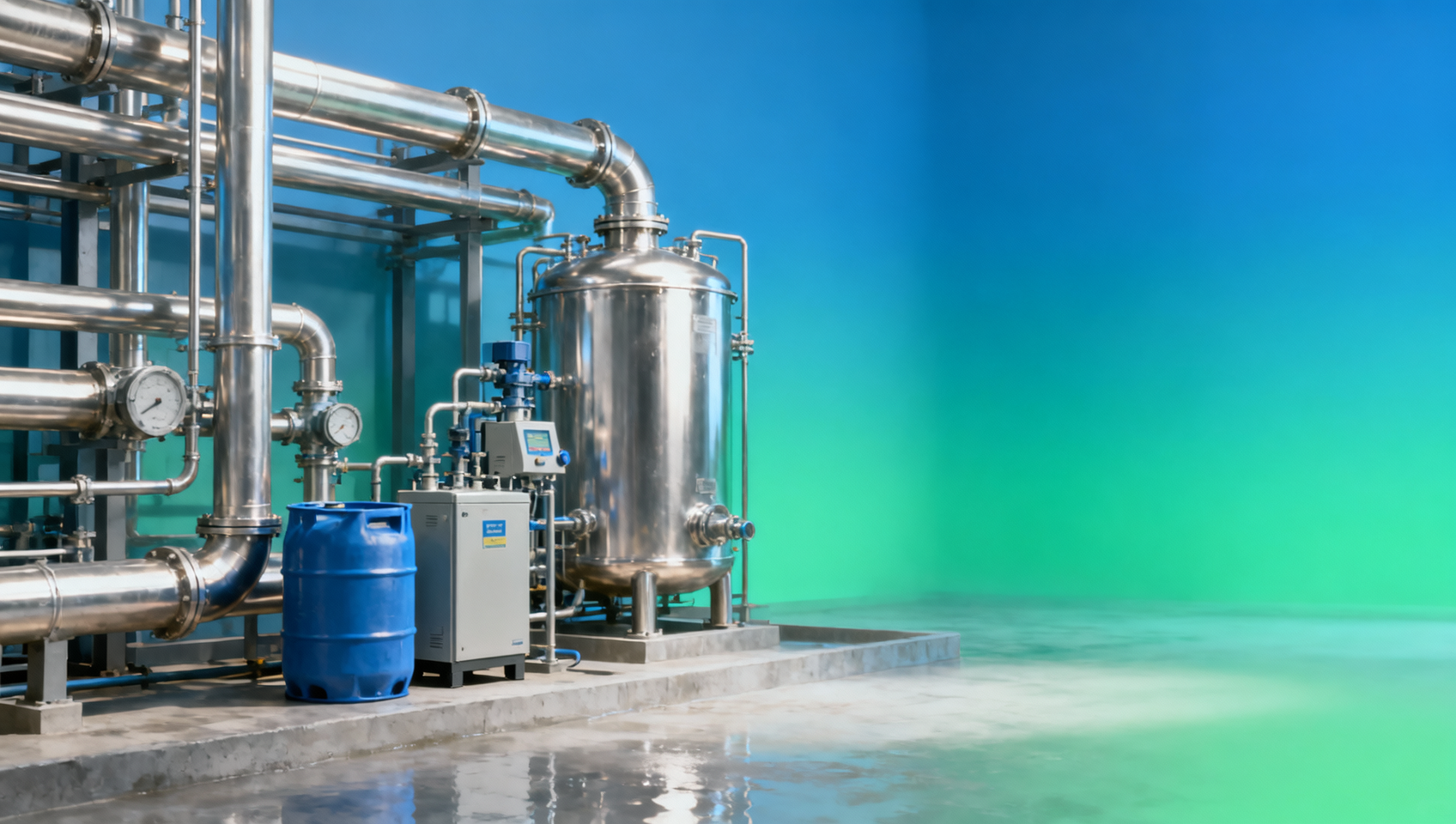
As 2026 approaches, Corrosion Inhibitors are becoming a key cost concern for finance decision-makers across water treatment and phosphate-related industries. Raw material volatility, compliance pressures and supply chain adjustments are all reshaping procurement budgets. Understanding these cost shifts early can help businesses control spending, reduce operational risk and choose more reliable, cost-effective treatment solutions.
Why are Corrosion Inhibitors becoming a bigger budget issue in 2026?
For financial approvers in phosphate and water treatment operations, the price of Corrosion Inhibitors is no longer a simple unit-cost question. It now affects maintenance budgets, downtime risk, equipment life, compliance planning, and cash flow timing.
In phosphate-related production and water systems, inhibitor programs often interact with scale control, pH balance, dispersants, and wastewater discharge targets. A cheaper formulation may reduce purchase price while increasing blowdown, metal loss, cleaning frequency, or system instability.
That is why many finance teams are shifting from price comparison to total treatment economics. The key issue is not only what Corrosion Inhibitors cost per ton, but what they cost per month of protected operation.
- Raw material costs remain exposed to global phosphate, energy, and transport fluctuations.
- Environmental requirements may restrict some formulations or increase treatment complexity.
- Supply chain lead times can force larger safety stock and tie up working capital.
- Performance inconsistency can create hidden expenses in utilities, labor, and asset replacement.
What finance teams should monitor first
The first signal is whether the current inhibitor program still matches operating water quality. When hardness, chloride, conductivity, or process temperature change, the same dosage may no longer deliver the same protection. Budget overrun often begins with underperforming chemistry rather than with invoice inflation alone.
Which cost drivers are most likely to move Corrosion Inhibitors prices?
The following cost map helps procurement and finance teams evaluate where 2026 pressure may appear. In phosphate-sector water treatment, these factors can change both direct purchase price and downstream operating cost.
For finance decision-makers, this means cost forecasting must go beyond supplier quotations. It should include logistics exposure, discharge treatment impact, and the cost of switching formulations if regulatory or process conditions change.
Why phosphate-related operations feel the pressure faster
Phosphate-linked industries are especially sensitive because inhibitors often sit inside a broader chemistry package. Any shift in phosphorus management, scaling tendency, or wastewater limits can alter dosage strategy. This creates a multiplier effect across the budget.
How should financial approvers compare Corrosion Inhibitors beyond price per ton?
A practical comparison model should balance chemistry cost with operational outcomes. In many approvals, the lowest quote wins because side effects are not quantified early enough. The table below provides a more useful view for phosphate and water treatment procurement.
This comparison matters because Corrosion Inhibitors are rarely standalone consumables. In circulating water, wastewater reuse, and process-side treatment, they affect system stability. Finance teams that evaluate total value usually make fewer emergency purchases and face fewer unplanned maintenance events.
A better approval question
Instead of asking, “Which inhibitor is cheaper today?” ask, “Which inhibitor package gives the lowest combined cost across dosing, maintenance, discharge, and supply reliability over the contract period?” That shift usually improves decision quality.
Which phosphate-industry scenarios need different Corrosion Inhibitors strategies?
Corrosion Inhibitors should be selected by water condition and process objective, not by a generic purchasing list. Different phosphate-related sectors face different metal surfaces, scaling tendencies, and discharge restrictions.
- Industrial circulating water systems often need balanced corrosion and scale control, especially where heat exchangers face elevated hardness or conductivity.
- Wastewater treatment applications may prioritize compatibility with downstream treatment and discharge management over maximum residual protection.
- Municipal and utility-related systems may require more conservative chemistry selection where regulatory review is stricter.
- Petrochemical, power, papermaking, and metallurgy users often need stable performance under changing load and temperature conditions.
For finance approvers, the practical lesson is clear: one inhibitor formula rarely delivers the same economics across every system. A standard purchasing approach can create overdosage in one plant and underprotection in another.
Where hidden spending usually appears
Hidden spending often appears in increased cleaning frequency, higher phosphate discharge handling, unstable pH correction demand, or greater make-up water use. Those costs can exceed the initial discount obtained from a lower-priced offer.
What procurement checklist should finance use before approving Corrosion Inhibitors?
Before approval, finance teams should request a structured review instead of only a commercial quote. This is especially important when the Corrosion Inhibitors program affects critical water assets and phosphate-related process continuity.
- Confirm the water quality range, including hardness, alkalinity, chloride, pH, temperature, and conductivity.
- Ask whether the formulation is designed for your metallurgy, retention time, and operating concentration cycles.
- Check dosage guidance and whether dosage flexibility exists under seasonal or production load variation.
- Review storage, transport, lead time, and batch consistency to avoid procurement gaps.
- Evaluate compatibility with existing scale inhibitors, dispersants, biocides, and wastewater treatment steps.
- Ask for testing support, technical follow-up, and adjustment recommendations instead of one-time delivery only.
Supplier capability is part of cost control
Shandong GTECH Chemicals Co., Ltd. supports this type of review with experience in water treatment chemicals across industrial circulating water, wastewater treatment, municipal water supply, petrochemical, electric power, papermaking, and metallurgy. With standardized production facilities and professional testing laboratories, the company can help buyers focus on stable and reliable performance rather than invoice price alone.
For financial approvers, that matters because a supplier with production discipline and technical service capability can reduce the chance of performance variation between batches. Stable product quality supports more predictable chemical consumption and easier budget control.
How can companies reduce Corrosion Inhibitors cost pressure without raising operational risk?
Cost reduction should not start with random dosage cuts. It should begin with treatment optimization. In many systems, better control, not cheaper chemistry alone, creates the largest savings.
The table below shows practical levers finance and operations can review together when Corrosion Inhibitors costs rise.
These levers are useful because they address direct and indirect costs at the same time. In many cases, improved control reduces annual treatment spend more effectively than switching to the cheapest available inhibitor.
Do alternatives always save money?
Not necessarily. Lower-phosphorus or reformulated options may help in some discharge-sensitive systems, but they should be evaluated against corrosion rate, compatibility, and dosing demand. A substitute that looks cheaper on paper may require more feed or more frequent adjustment.
What compliance and quality points should not be overlooked?
Finance teams often focus on purchase approval but overlook compliance-linked costs. In phosphate and water treatment operations, Corrosion Inhibitors should be reviewed alongside storage safety, wastewater impact, product documentation, and internal quality control expectations.
- Request standard product documentation such as specification sheets, safety information, and recommended operating guidance.
- Check whether the inhibitor program may influence phosphorus discharge management or downstream treatment balance.
- Ensure the supplier can support product consistency through controlled production and testing procedures.
- Review packaging, storage stability, and transport requirements to avoid loss, degradation, or handling issues.
Shandong GTECH Chemicals Co., Ltd. combines production, sales, technical service, and laboratory support in one organization. For buyers, this integrated structure can simplify communication when parameter confirmation, application adjustment, or delivery planning becomes urgent.
FAQ: what do finance decision-makers ask most about Corrosion Inhibitors?
How should we choose Corrosion Inhibitors when budget is tight?
Start with the system risk level. If the treated equipment is critical, approval should prioritize stability and compatibility first. Then compare total cost by including dosage, expected consumption, cleaning frequency, and discharge implications. A lower unit price only helps if system performance remains stable.
Are phosphate-based Corrosion Inhibitors still practical in 2026?
They remain practical in many systems, especially where balanced corrosion and scale control is required. However, selection should consider local discharge constraints, water chemistry, and the full treatment package. The right answer depends on operating conditions, not on a general trend alone.
What are the most common approval mistakes?
Three mistakes appear often: comparing suppliers by unit price only, approving chemistry without reviewing water conditions, and ignoring lead time or technical support. These errors can trigger emergency buying, unstable dosing, and higher lifecycle cost.
How much technical detail should finance request before approval?
Enough to understand the business risk. At minimum, request the application scope, typical dosage logic, compatibility notes, storage and delivery conditions, and whether the supplier can support troubleshooting or formula adjustment when conditions change.
Why choose us when reviewing Corrosion Inhibitors costs for 2026?
Shandong GTECH Chemicals Co., Ltd., located in Jinan, Shandong Province, is dedicated to the research, development, production, sales, and technical service of water treatment chemicals and environmental protection products. For buyers in phosphate and related industries, this means one partner can support product supply and application discussion together.
Our experience in water treatment covers industrial circulating water, wastewater treatment, municipal water supply, petrochemical, electric power, papermaking, and metallurgy. This broad application background helps us understand how Corrosion Inhibitors interact with real operating conditions rather than staying at the quotation level.
With standardized production facilities and professional testing laboratories, we focus on consistent product performance and strict quality management throughout production links. For finance approvers, that supports more predictable procurement outcomes and lower risk of batch-related disruption.
What you can contact us about
- Parameter confirmation for your circulating water or wastewater conditions
- Corrosion Inhibitors product selection for phosphate-related treatment programs
- Estimated delivery cycle, packaging options, and supply planning
- Customized treatment solution discussion based on system risk and budget targets
- Sample support, technical document requests, and quotation communication
If your team is preparing a 2026 chemical budget review, now is the right time to compare Corrosion Inhibitors by total cost, compliance fit, and supply reliability. Share your water quality data, operating scenario, and purchasing timeline, and we can help you evaluate a more controlled and cost-effective treatment approach.
Navigation
- What to Check Before Switching Filming Agents Suppliers
- Filming Agents Adoption Grows in Asset Protection Projects
- Dispersants for Slurry Systems: Key Signs of Underperformance
- Dispersants Selection Mistakes That Raise Operating Costs
- Chelating Agents vs Alternatives for Stable Process Quality
- Chelating Agents in Cleaning Formulas: What Changed in 2026
Send Us A Message